
Tulip Care Checklist: What to Do Each Month from Planting to Dormancy
A month-by-month guide to tulip care, from choosing and planting bulbs in autumn through spring feeding...

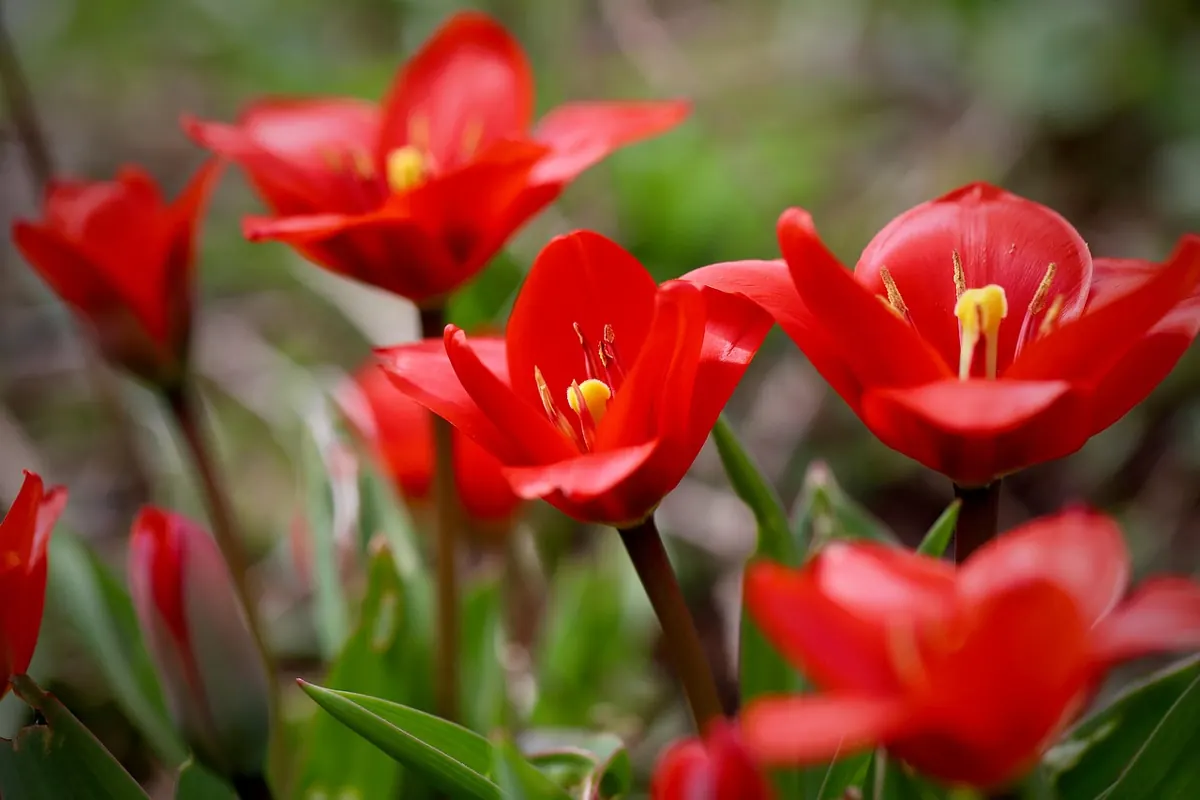
There is something quietly satisfying about a bowl of tulips on the kitchen windowsill in January. Outside, the garden is grey and sodden; inside, tight green buds are opening into something that looks far too exotic for the season. Forcing tulips is not difficult, but it is a process that rewards attention to timing. Get the chilling right and you will have flowers when you want them. Rush it, and you will end up with floppy stems, blind bulbs or a sad crop of leaves.
Tulips need a period of cold before they will flower. In the garden, that happens naturally over winter. Indoors, you have to recreate it — usually by chilling the bulbs in a cool, dark place for several weeks before bringing them into warmth and light.
The word "forcing" is a bit misleading. You are not bullying the bulb into doing something unnatural; you are simply mimicking the winter it expects, then advancing the arrival of spring. Think of it as giving the tulip a compressed season.
Not every tulip is suited to life in a pot on a windowsill. Tall, late-flowering varieties tend to stretch and topple in the low light levels of a British winter. Look instead for shorter, sturdier types.
Avoid the enormous Darwin hybrids for forcing. They are magnificent in a border in May, but indoors they usually end up leaning towards the window like commuters on a crowded train.
Buy fresh bulbs in early autumn from a reputable supplier. Size matters: plump, firm bulbs with their papery tunics intact will store more energy and produce better flowers. Discard anything soft, mouldy or noticeably lightweight.
Most tulips need roughly 12 to 16 weeks of cold before they will flower. Some early varieties manage with 10; species tulips are often quicker. Work backwards from the date you want blooms.
If you want a continuous supply, pot a few bulbs every fortnight rather than doing everything on one frantic Saturday. Labelled pots, or a note in your phone, save a great deal of guesswork later.
Use a container with drainage holes — tulips hate sitting in soggy compost. Terracotta pots, plastic bowls and even old crocks work well, provided water can escape. A layer of grit or broken crocks at the base helps.
Fill with a free-draining, peat-free compost. A mix of multipurpose compost with added grit or horticultural sand is ideal. Tulips are not fussy about richness; they are fussy about drainage.
Plant the bulbs pointed end up, roughly their own depth apart, and close enough that they almost touch. Packing them in gives a fuller display. Cover with compost, leaving about 2cm of space below the rim for watering.
Water thoroughly after planting, then keep the compost barely moist — damp, not wet — for the duration of chilling. A common mistake is to treat them like summer bedding and water generously. In cold, dark conditions that leads to rot.
The ideal chilling spot is dark, consistently cold, and somewhere between 5°C and 9°C. An unheated garage, a cool cellar, a shed that does not freeze, or the back of a north-facing porch all work.
A fridge is possible if you have space, but bulbs sharing shelves with fruit should be avoided — ripening fruit releases ethylene gas, which can damage developing flower buds. If you do use a fridge, keep bulbs well wrapped and away from the salad drawer.
Check on them every couple of weeks. Look for signs of mould, and water sparingly if the compost has dried out. Roots should be visible at the drainage holes after a few weeks, and pale shoots will begin to push through the surface. That is your cue that they are nearly ready.
When shoots are around 3cm to 5cm tall and you can see the flower bud forming inside the leaves, move the pots into a cool, bright room. Not a hot one. A sudden move into full warmth and dry air is the most common reason forced tulips end up leggy and short-lived.
Start them somewhere around 15°C and bright, indirect light. Turn the pots every day or two so stems grow straight rather than leaning. Water when the surface of the compost feels dry, and be generous at this stage — the plants are working hard.
Once the buds show colour, you can move them to a more prominent spot in the house. Cooler rooms will keep the flowers looking fresh for longer; a warm living room will speed up the whole performance and shorten it considerably.
Forced tulips are working from stored energy and rarely have enough left to perform well again. Most gardeners treat them as annuals and put them on the compost heap once the foliage has died back.
If you are attached to them, you can plant them out in a quiet corner of the garden after flowering and feed them while the leaves are green. They may flower again in a year or two, though rarely with the same vigour. Species tulips are the best bet for this treatment.
If you have never tried forcing tulips before, do not begin with twelve pots and a spreadsheet. Plant one wide bowl of a single early variety in October, chill it in a cool shed or garage, and bring it in when the shoots appear. Watch how it behaves in your conditions, then adjust next autumn. The following year, pot some every fortnight from late September onwards and you will have tulips on the sill from January to April. Slightly disorganised, faintly magical, and far more rewarding than another trip to the florist.
Photo: Nennieinszweidrei / Pixabay
A month-by-month guide to tulip care, from choosing and planting bulbs in autumn through spring feeding...
How to combine tulips and wallflowers in a UK spring border, covering colour schemes, height layers,...
Cut tulips at the right stage, condition the stems properly and keep the water shallow, and a spring bunch...